Quick Summary:
Know what to do before first chemical peel by using gentle skin care, applying daily sunscreen, stopping retinoids and acids, avoiding sun and heat, sharing skin history, and completing a professional consultation beforehand.
Preparing your skin properly before a chemical peel can make a noticeable difference in both safety and results. If it is your first time, understanding what to do before the first chemical peel treatment helps reduce irritation, supports even exfoliation, and allows your skin to heal more smoothly.
In this first chemical peel guide, we will cover essential chemical peel preparation tips, including skin care adjustments, products to avoid, and professional chemical peel pre-treatment steps. By knowing what to do before a chemical peel, you can follow the right chemical peel skin care routine and feel confident going into your appointment.
What Is a Chemical Peel and Why Is It Effective for Skin Renewal?
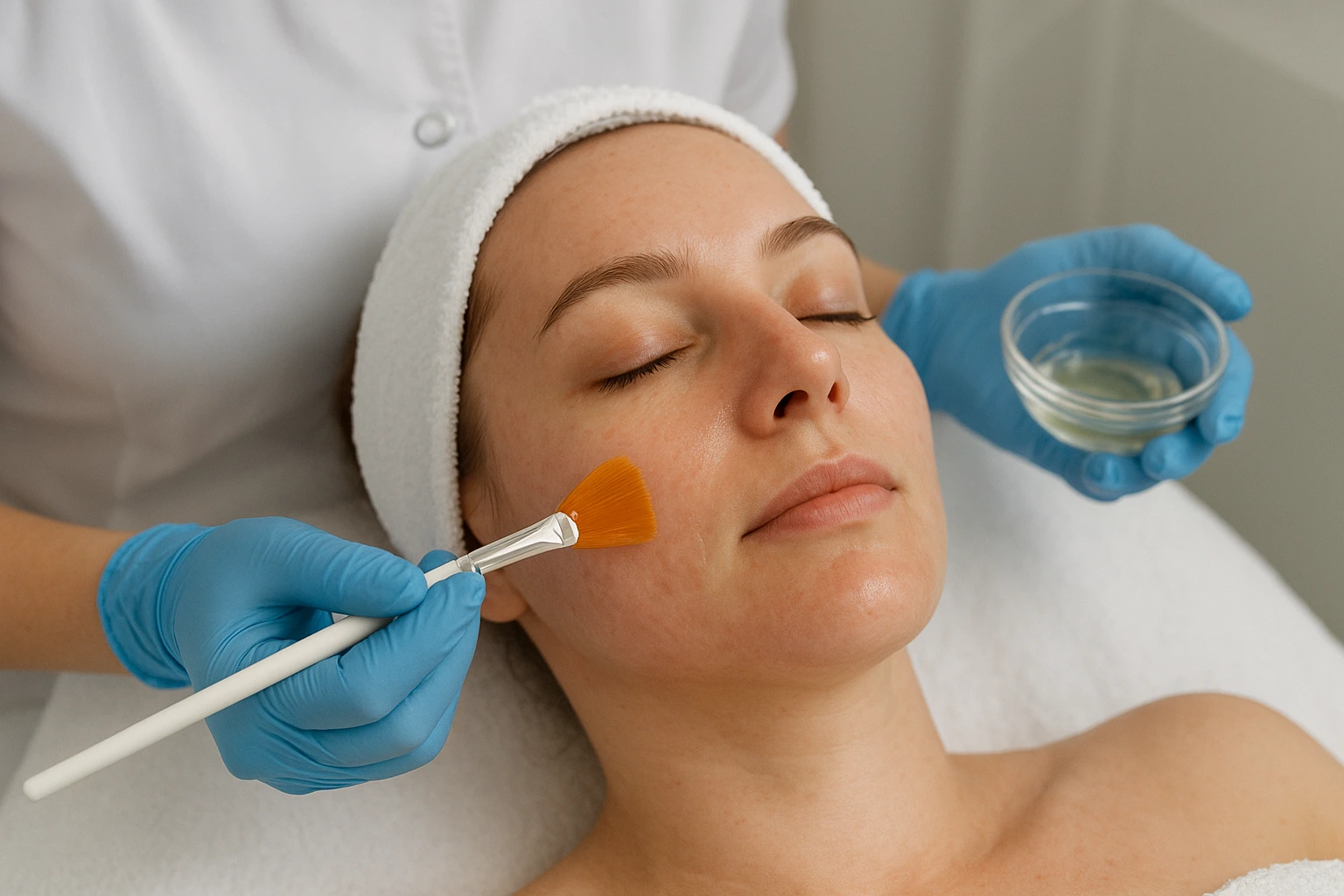
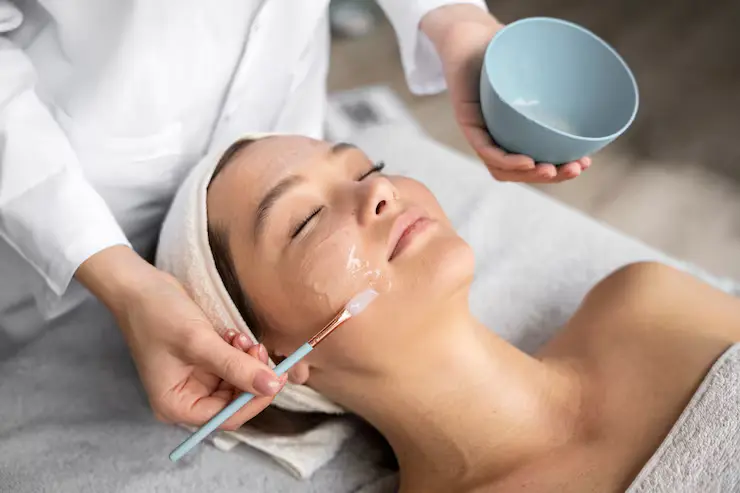
A chemical peel is a professional skin treatment that removes dead and damaged skin cells using a special solution. Unlike regular exfoliation products, a chemical peel works deeper on the skin to improve texture and clarity. This process helps fresh, healthy skin appear on the surface over time.
Chemical peels are effective because they support natural skin renewal. As the old skin layers shed, new skin cells grow, making the skin look smoother and more even. The treatment also helps improve common concerns like dullness, uneven tone, and mild acne marks.
What to Do Before First Chemical Peel: 5 Key Preparation Areas
Preparing your skin properly before a chemical peel helps reduce irritation and improve overall results. The checklist explains what to adjust, what to avoid, and how to get your skin ready for a safe first treatment.
1. Skin Care Routine Before a Chemical Peel
Preparing your skin two to three weeks before a chemical peel helps keep the skin barrier stable and reduces the risk of irritation during treatment.
- Switch to a gentle, non-foaming cleanser to avoid stripping natural oils from the skin.
- Use a fragrance-free, hydrating moisturizer daily to maintain proper moisture balance.
- Avoid frequent exfoliation, scrubs, or active treatments that can overwork the skin.
- Apply broad-spectrum sunscreen every day, as sun exposure increases sensitivity and may cause uneven peel results.
- Maintain a calm and consistent routine to support skin barrier health, which is an important part of understanding what to do before first chemical peel treatments.
2. Products and Ingredients to Avoid Before a Chemical Peel
Certain products and ingredients should be stopped before a chemical peel to prevent skin irritation, thinning, and increased sensitivity during treatment.
- Discontinue retinoids and retinol, as they accelerate skin cell turnover and increase the risk of peeling and redness.
- Avoid benzoyl peroxide, salicylic acid, glycolic acid, and other strong acne treatments at least 5 to 7 days before the peel, or earlier if advised by your provider.
- Stop using exfoliating acids, scrubs, and abrasive cleansers that can weaken the skin barrier.
- Avoid hair removal creams, facial waxing, threading, or shaving close to the treatment area before the peel.
- Remove any products or habits that may compromise skin strength, as proper precautions are essential for chemical peel preparation tips for first-time clients to reduce burning, over-peeling, and discomfort.
3. Lifestyle Habits That Can Affect Chemical Peel Results
Certain daily habits can increase skin sensitivity and interfere with how safely and evenly a chemical peel works.
- Avoid tanning beds, outdoor tanning, and sunburn before treatment, as sun exposure raises the risk of pigmentation issues after a chemical peel.
- Limit prolonged outdoor sun exposure in the weeks leading up to your appointment and apply sunscreen consistently.
- Reduce heat-based activities such as saunas, steam rooms, hot yoga, and intense workouts, which can heighten skin sensitivity.
- Keep the skin calm by minimizing activities that cause excessive sweating, redness, or inflammation.
- As part of learning how to prepare for a chemical peel, adjusting these habits helps the skin tolerate the treatment more comfortably and improves overall results.
4. Professional Pre-Treatment Steps Before a Chemical Peel
A professional consultation helps ensure the chemical peel is safe and appropriate for your skin type and concerns.
- A skin care specialist reviews your skin type, concerns, and treatment goals during the initial consultation.
- Current skincare products and routines are discussed to identify anything that should be paused before the peel.
- Medical history and past skin reactions are evaluated to reduce the risk of irritation or complications.
- Based on this assessment, the safest peel type and strength are selected for your skin.
5. Final Readiness Steps Before Your Chemical Peel Appointment
The days just before a chemical peel are also about planning, clarity, and avoiding last-minute issues.
- Confirm your appointment time, clinic location, and any pre-visit instructions provided by your provider.
- Prepare a list of questions or concerns you want to discuss before the peel begins.
- Inform your provider of any recent illness, fever, cold sores, or infections, even if they seem unrelated.
- Choose loose, comfortable clothing that does not rub against the treated area after the procedure.
Chemical Peel Safety Tips for First-Time Clients
Chemical peels are generally safe when done by trained professionals, but first-time clients should follow specific safety steps to avoid irritation or unwanted reactions. Understanding precautions helps ensure a smoother treatment and recovery.
- Share your full medical history, including skin conditions, allergies, and recent procedures, so your skin specialist can choose the safest peel.
- Inform about medications such as acne treatments, antibiotics, or isotretinoin, as some can increase skin sensitivity.
- Avoid sun exposure before treatment since sun-damaged skin is more prone to burning and uneven results.
- Do not schedule a peel on irritated or broken skin, including cuts, rashes, or active breakouts.
- Follow all professional instructions carefully before and after treatment to reduce risks and support healing.
- Set realistic expectations since mild redness, tightness, or peeling is normal after a chemical peel.
What to Expect on the Day of Your Chemical Peel Appointment
Knowing what happens on the day of your chemical peel helps reduce anxiety and ensures you arrive properly prepared for the treatment.
- Before the treatment:
Arrive with clean skin and no makeup, lotion, or sunscreen unless instructed otherwise. It helps the chemical peel apply evenly and safely. - During the treatment:
Your skin specialist will cleanse your skin and apply the chemical solution for a set time. You may feel tingling or mild stinging, which is normal and temporary. - After the treatment:
Your skin may look slightly red or feel tight. You will receive clear aftercare instructions, including how to moisturize, protect your skin from the sun, and avoid certain activities.
After your chemical peel, proper aftercare plays an important role in healing and results. To learn how to protect your skin, manage peeling, and support recovery, read our detailed guide on how to care for your skin after a Perfect Derma Peel
Prepare Your Skin for a Safe and Effective Chemical Peel
Knowing what to do before first chemical peel treatment can make a real difference in how your skin responds and heals. From adjusting your skin care routine and avoiding certain products to following professional pre-treatment steps, proper preparation helps reduce irritation and supports better, more even results.
At Body Beautiful Spa, we offer a range of professional skin care and wellness treatments, including facials, chemical peels, body treatments, and advanced skin rejuvenation services. Our experienced team takes a personalized approach to every service, focusing on comfort, safety, and results based on your individual skin needs and goals.
Call us to book your consultation today and take the first step toward healthier, radiant skin.
FAQs
Who should avoid chemical peels?
People with active infections, open wounds, severe rosacea, eczema, or poor healing history should avoid chemical peels. Pregnant individuals, those with very sensitive skin, or those using isotretinoin must always consult a qualified professional first.
What is the best age to get a peel?
There is no single best age for chemical peels. Adults in their 20s to 50s can benefit, depending on concerns like acne, pigmentation, texture, or aging, when treatments are chosen by professionals after proper consultation.
Which season is best for chemical peels?
We suggest that fall and winter are the best seasons for chemical peels because sun exposure is lower, and reduced UV intensity helps protect healing skin and lowers the risk of irritation, discoloration, and uneven results during recovery periods.