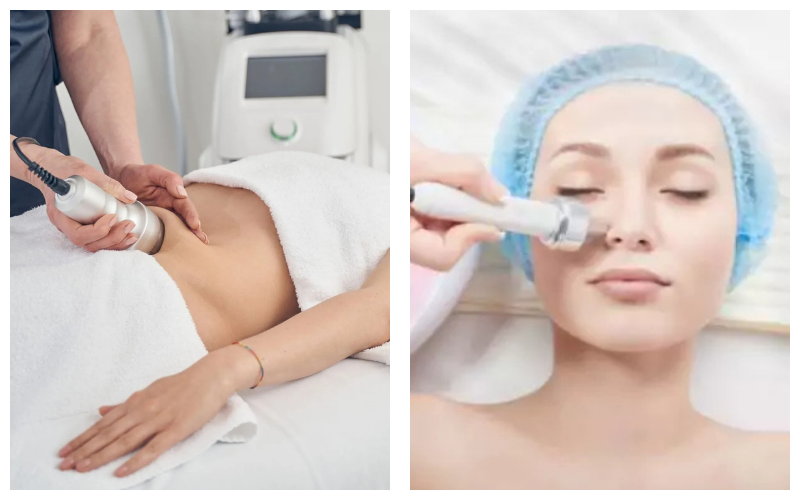
Many clients ask how many infrared therapy sessions are needed before visible results appear. They share that they’ve searched online but only found vague or conflicting information.
Their sentiment was clear: every source suggested something different, leaving them unsure whether one session is enough or if longer, more frequent sessions are required. Many admitted they felt misled by generic claims, which only adds to the confusion.
Hence, our team of estheticians decided to share some insights on the frequency of infrared therapy sessions to clear the confusion and provide clarity. But, before we dive deep into the specifics, let’s understand why infrared therapy is needed in the first place.
Why is an Infrared Therapy Session Needed?
Our experts believe that knowing why infrared therapy is needed helps decide how often to schedule sessions. Without this clarity, frequency becomes just a random number. Here are some of the prominent reasons why infrared light therapy sessions are needed:
- For wellness and relaxation, to relieve stress and improve circulation.
- For muscle recovery after workouts, to reduce soreness.
- For chronic pain relief, more frequent sessions help manage arthritis or inflammation.
- For infrared body contouring sessions, when the goal is inch loss or shaping.
How Often to Schedule Infrared Therapy Sessions for Best Results?
Our experts emphasize that knowing why infrared therapy is needed helps know how often. Each wavelength type (near, mid, far) fulfills different needs, so session count depends on the goal (wellness, recovery, pain relief, or inch loss).
1. General Wellness
For clients who feel run‑down or stressed, or, seeking a natural way to recharge.
Our infrared sessions here focus on circulation, detox, and relaxation.
- Recommended Frequency: 3 to 4 sessions per week
- Duration: Roughly 10 to 20 minutes
- Method: Far infrared therapy
Professional Insight: Far infrared wavelengths penetrate deeply, improving circulation and relaxation. Studies have shown this range supports detox and stress reduction without overloading cells.
2. Skin Rejuvenation
The individuals concerned about dullness, fine lines, or uneven tone benefit from this as therapy helps skin look fresher.
- Recommended Frequency: 3 to 5 sessions per week
- Duration: 15 to 20 minutes
- Method: Near infrared therapy
Professional Insight: Near infrared therapy’s shallow penetration stimulates collagen and facilitates skin surface repair.
3. Muscle Recovery
When clients who exercise regularly and feel sore or stiff after intense activity want faster recovery options.
- Recommended Frequency: 3 to 5 sessions per week
- Duration: 15 to 20 minutes
- Method: Mid-infrared therapy
Professional Insight: Mid infrared wavelengths target muscles and joints. This improves recovery and reduces soreness when sessions stay within the 15 to 20 minute therapeutic window.
4. Chronic Pain Management
Ideal for those suffering from arthritis, fibromyalgia, or persistent inflammation, ask about daily relief.
- Recommended Frequency: Daily or near‑daily sessions
- Duration: 20 to 30 minutes
- Method: Far infrared therapy
Professional Insight: Far infrared therapy penetrates deepest, modulating inflammation and reducing oxidative stress.
Key note: The International Association for the Study of Pain (IASP) confirms that repeated infrared therapy sessions are more effective for chronic pain management.
5. Body Contouring and Inch Loss
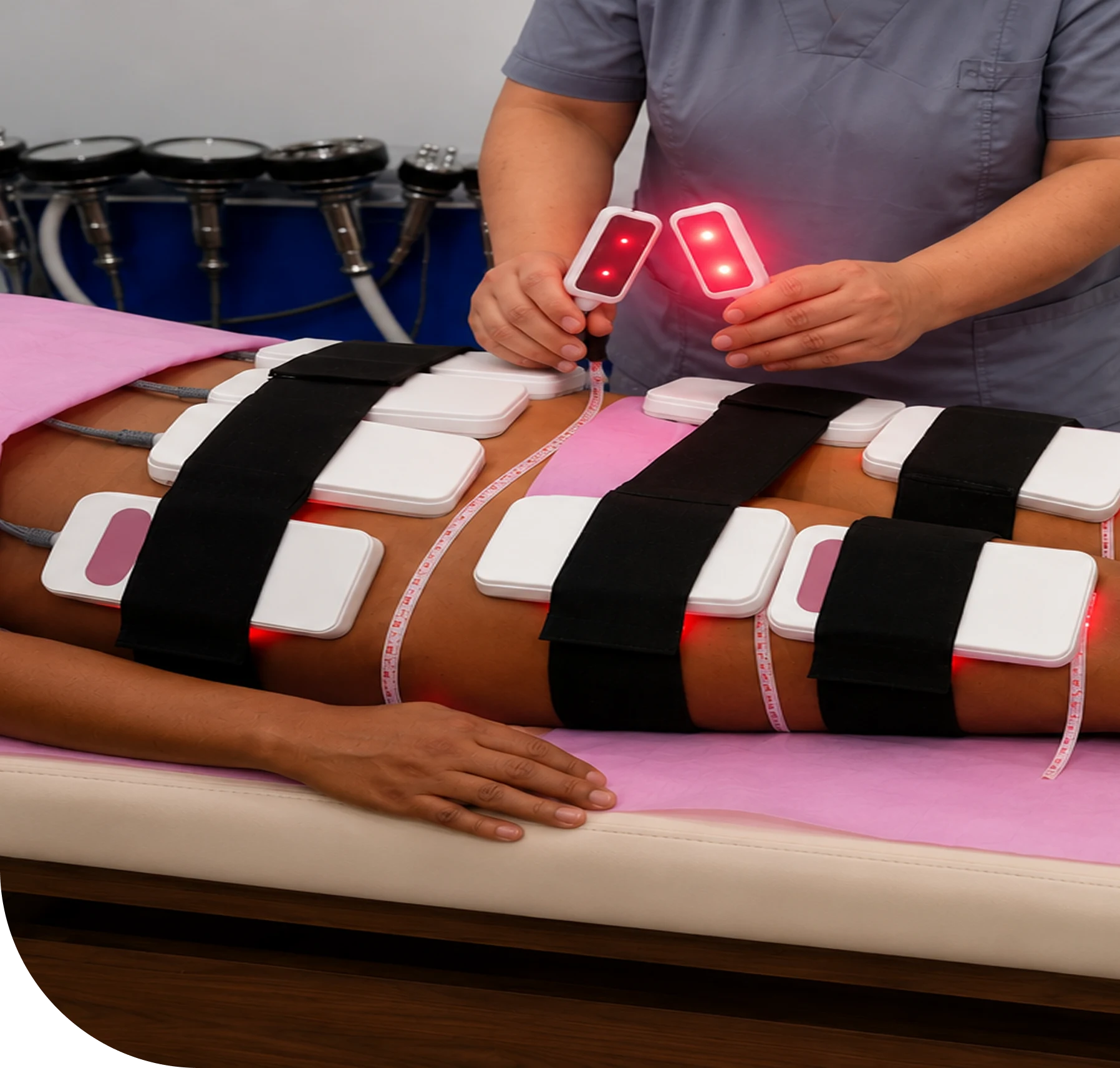
Clients seeking non‑invasive shaping or slimming ask how many sessions are needed for results. Structured therapy combines infrared with vibration and sauna for measurable inch loss.
- Recommended Frequency: At least 4 to 8 sessions (proper sequence)
- Duration: 30 min infrared + 20 min vibration + 30 min sauna
- Method: Combination of near, mid, and far infrared
Professional Insight: Combining near, mid, and far infrared targets fat cells, circulation, and detox. Our procedures are consistent and precise, as infrared body sculpting requires cumulative exposure to achieve measurable inch loss.
When is the Infrared Therapy Session Frequency Changed?
Infrared therapy frequency varies because everybody responds differently. The reason behind this is simple: every individual has a different physique, different requirements, different issues, and their body responds differently to therapy.
| Intent | When Adjustment Is Needed | Professional Suggestion |
|---|---|---|
| General Wellness | If stress or fatigue persists after initial sessions, circulation benefits may need reinforcement. | Increase to 3 to 4 or more sessions if wellness goals are not being met. |
| Skin Rejuvenation | If fine lines or dullness remain, collagen stimulation may require more consistent exposure. | If starting with 1 or 2 sessions, increase to 2 to 3 sessions weekly for visible tone and texture improvements. |
| Muscle Recovery | If soreness or stiffness continues after workouts, recovery benefits may plateau without added frequency. | Schedule at least 3 to 5 sessions per week if muscles remain tight or fatigued. |
| Chronic Pain Management | If arthritis or fibromyalgia pain persists, cumulative exposure is often needed for sustained relief. | Begin with 3 to 4 sessions per week and increase to daily or near-daily sessions for stronger symptom control. |
| Body Contouring & Inch Loss | If inch loss goals are not achieved after initial treatments, repetition helps improve measurable results. | Start with 4 sessions and extend to 6 to 8 sessions for better infrared inch loss treatment results. |
While frequency adjustments often require an increasing number of sessions, there are also clear instances that demand a lower frequency of sessions:
- Visible results of infrared therapy: Once circulation improves, skin looks rejuvenated, or inch loss goals are satisfied, sessions can be reduced to maintenance levels rather than continued at peak intensity.
- Complications or discomfort: If the body shows signs of overheating, irritation, or fatigue, we often advise lowering the number of sessions to facilitate safe therapy.
Preparation, Maintenance, and Safety Considerations
Infrared therapy results are achieved best when clients approach it as a complete routine, not just the session conducted by professionals. That means preparing properly before each visit, maintaining healthy habits between scheduled sessions, and following safety tips to ensure long‑term benefits.
Prepping tips (Before Session)
- Stay hydrated, drink water beforehand to support circulation and detox.
- Light clothing, wear breathable fabrics to allow heat absorption.
- Avoid heavy meals; entering therapy with a full stomach can cause discomfort.
- Proper medical disclosure, inform our team of specialists about any medical conditions, such as cardiovascular issues or pregnancy, in advance.
How to Maintain Yourself Between Scheduled Sessions
- Hydrate consistently, keep water intake steady to support detox and prevent fatigue.
- Gentle activity, consider walking or stretching daily to maintain circulation without overloading muscles.
- Balanced nutrition, focus on antioxidant‑rich foods to complement cellular repair.
- Skincare upkeep, use moisturizers or soothing creams to prolong rejuvenation effects.
- Listen to your body; if fatigue, irritation, or overheating occurs, reduce intensity or frequency until symptoms ease.
Precautionary Tips(Post-Session)
- Avoid alcohol or heavy meals immediately after sessions, as they can counteract detox benefits.
- Allow at least 24 hours between higher‑intensity sessions unless advised otherwise for chronic pain.
- If complications arise (overheating, dizziness, skin irritation), discuss with our team and put sessions on hold, and consult a professional before resuming.
Schedule Your Next Infrared Light Therapy Session With Us
Infrared therapy session frequency must be tailored to the tissue depth, wavelength used, and client condition. Too little exposure has no effect, while too much can compromise benefits. Also, it’s always wise to consider professional views while planning sessions for the best possible outcomes.
At Body Beautiful Spa, our non-invasive treatment targets stubborn areas, supports circulation, and promotes firmer-looking skin, all with no downtime, providing super comfort. Our estheticians tailor methods that match your needs and deliver promising results.
Connect with our team now and discuss how many sessions you will need!
FAQs
Who cannot do infrared light therapy?
People with heart conditions, pregnancy, or heat‑sensitive health issues should only proceed with physician approval. Always share your medical history with our team before starting sessions to ensure safety.
Can infrared light therapy lower cortisol?
Infrared therapy helps lower cortisol, promoting relaxation and circulation. Individual responses may vary, and benefits are best supported with regular sessions and mindful aftercare.
How much do infrared therapy sessions cost?
Typical sessions range from $30 to $100 or even more, depending on spa, device type, and duration. Package deals or structured programs often lower per‑session costs. For instance, we offer 8 treatments at a cost of $2,400. Call us at (619) 684-5120 to discuss special offers.
What medications interact with infrared light therapy?
Certain medications, such as antibiotics or chemotherapy drugs, can make skin more sensitive to infrared exposure. Always check with your healthcare provider before starting sessions to avoid any severe health-related escalations.